

H
ome repair experts
Get down to the samllest detail
Too much air leakage wastes money, creates drafty cold areas, depletes natural resources, and invites flies, ladybugs, bats, mice, and other insects. Furthermore, the open joinery can allow water vapor and possibly even free water, i.e., rain, ice, or melting snow, to enter from the exterior, resulting in rotted logs, insect infestation water stains on the interior walls. With wood being one of the best natural insulators, it can be easily understood why log building construction could provide improved energy efficiency performance when compared to 2x framed walls. Even a modestly sized log home can have several thousand feet of seams and wood-to-wood joinery that must be properly designed and installed to minimize air leakage and ensure proper energy-efficient performance.
Give us a call or contact us today to get started!
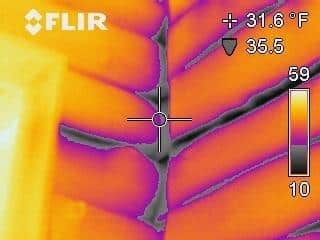
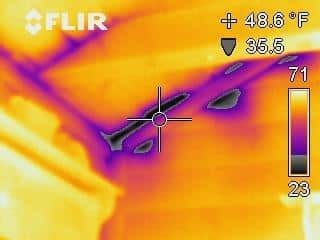
Certified as a building analyst and building envelope professional. In order to find air leaks Log-Pro’s Blower door system depressurizes your home using our state of the art Retrotec blower door system to monitor the air flow rate exiting the building with all the doors and windows closed. As the blower door operates we use a FLIR thermal imaging camera to see unexpected air flow that might be coming thought doors, around windows, electrical outlets, log seams floor and unexpected sources. In addition to the blower door system our thermal imaging camera can detect poor insulation, entrapped moisture, defective thermal pane windows. We can print from the computer to show the photos and data before and after repairs. We have saved customers up to 35% on their energy cost with this log home technology.
Thermal Evaluation Tip:
Thermographic Surveying FAQ
Media blasting is a professional cleaning and restoration process used to remove old stains, paint, dirt, and damaged wood fibers from log surfaces. Instead of relying solely on water or harsh chemicals, it uses specialized materials such as cob grit or crushed glass to gently strip away contaminants while preserving the integrity of the wood.
Thermal imaging goes beyond just finding drafts. It can reveal missing or poorly installed insulation, hidden moisture trapped within walls, and even defective thermal pane windows. Moisture detection is especially critical in log homes, as water intrusion can lead to rot, insect infestation, and interior wall staining if left untreated.
Yes, one of the biggest benefits of thermographic surveying is improved energy efficiency. By identifying and sealing air leaks, homeowners can significantly reduce wasted heating and cooling energy. Many log home owners have seen energy savings of up to 35% after addressing the issues uncovered during a survey, making it a smart investment for long-term cost reduction.

